Rethinking Africa: Society & Change | Pascaline Tshikalange
Is South Africa Xenophobic, or Is It a Cry of Economic Desperation?
South Africa's Unfinished Freedom: Economic Exclusion, Migration and the Xenophobia Debate
Few issues divide South Africans as deeply as the question of xenophobia. Every time violence erupts against foreign nationals, the country is confronted with uncomfortable questions about its identity, its values and its future. Yet I often find myself wondering whether we are asking the wrong question. Are South Africans inherently xenophobic, or have migrants become the visible face of a much deeper economic frustration that has been building for decades?
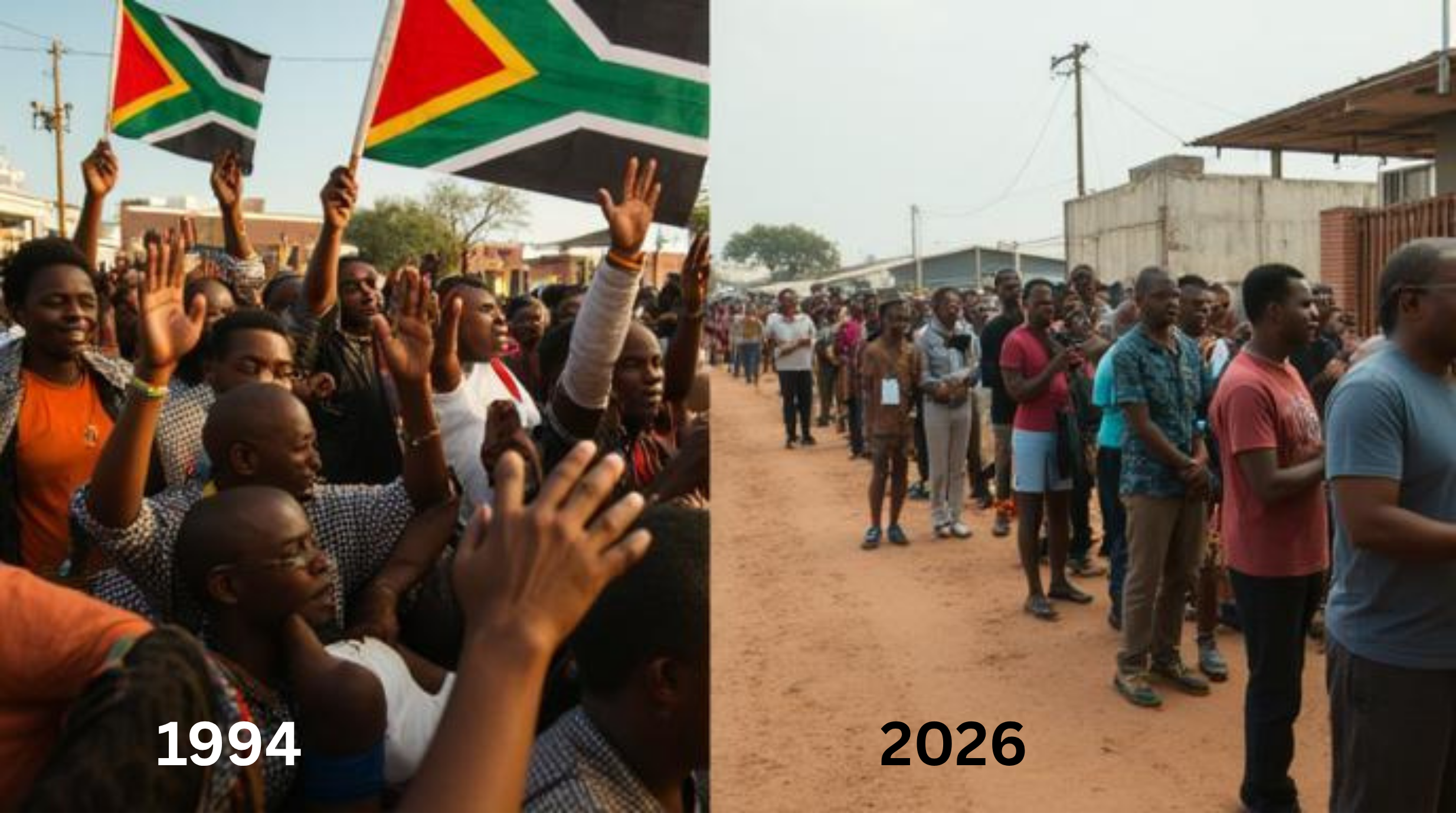
South Africa occupies a unique position in Africa's colonial and post-colonial history. In 1994, the country achieved one of the greatest political victories of the twentieth century. Black South Africans gained the right to vote, hold office and participate fully in democratic life. But political liberation and economic liberation are not always the same thing. Unlike many post-independence African states, South Africa entered democracy with a highly industrialised economy whose ownership structures remained largely intact. Political power changed hands, but ownership of land, capital, major industries and wealth remained highly concentrated. While a growing Black middle class has emerged since democracy, South Africa remains one of the most unequal societies in the world. Millions continue to face unemployment, poverty, inadequate housing and limited economic opportunities.
For many South Africans, democracy delivered rights but not prosperity. Perhaps this is the contradiction at the heart of our national story. A generation was raised on the promise that political freedom would eventually produce economic inclusion. Yet more than three decades later, many citizens still find themselves locked out of meaningful participation in the economy. Into this environment comes another challenge: migration. South Africa's relatively developed economy attracts migrants from across Africa and beyond. Some arrive legally, others through undocumented channels. Like migrants throughout history, they come seeking safety, opportunity and a chance to improve their lives.
The problem arises when migration intersects with economic scarcity.
In many townships and informal settlements, poor South Africans find themselves competing for jobs, housing, informal trading opportunities and public services. Employers are often perceived to prefer migrant labour because migrants may accept lower wages or more difficult working conditions. Whether this perception is entirely accurate is open to debate, but perceptions have consequences. When people feel excluded from economic participation, they search for explanations. The most visible targets are often those who appear to be outsiders. Yet South Africa is not unique in this regard
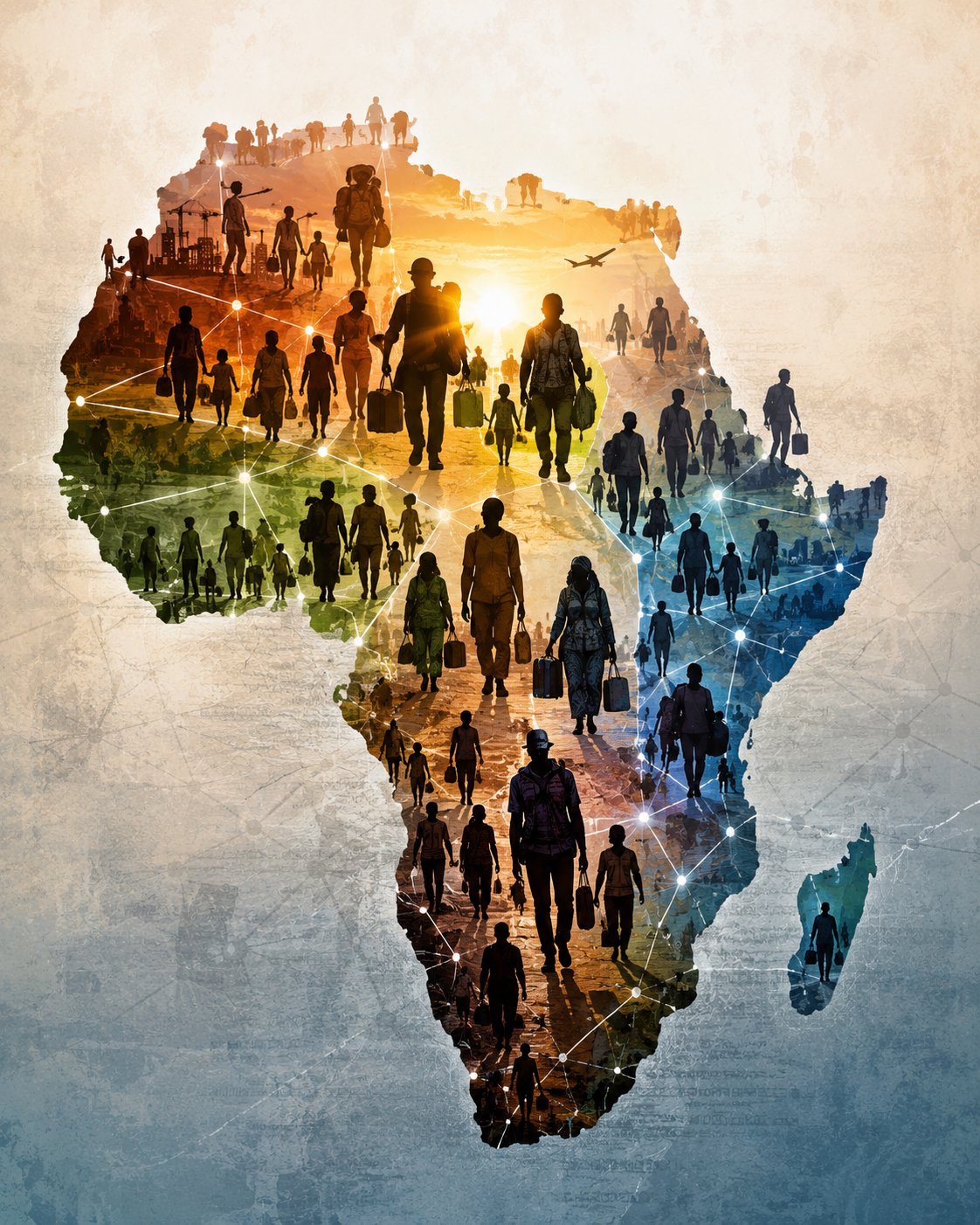
History shows that economic stress frequently produces anti-immigrant sentiment.
In 1969, Ghana expelled thousands of West African migrants, including Nigerians. In 1983, Nigeria responded by expelling more than a million migrants, many of them Ghanaians, during a period of economic hardship. Citizens blamed foreigners for unemployment and economic pressures.
Similarly, in Côte d'Ivoire during the 1990s, migrants from Burkina Faso and Mali had been welcomed during periods of economic growth. When economic conditions deteriorated, however, questions about belonging and citizenship intensified, and migrants increasingly became targets of exclusion.
Botswana experienced similar tensions during periods of significant migration from Zimbabwe. As economic migrants crossed the border seeking work, concerns emerged about competition for jobs and public resources.
The European experience
The 2015 migrant crisis saw more than one million asylum seekers and migrants arrive in Europe, creating significant political and social tensions across the continent. Immigration became a dominant political issue in countries such as Germany, France, Italy and the United Kingdom. Anti-immigration parties gained support by arguing that migration was placing pressure on jobs, housing, welfare systems and national identity.
In the United Kingdom, immigration became a central issue during the 2016 Brexit referendum. Many voters viewed leaving the European Union as a means of regaining control over immigration and national borders.
These examples suggest that migration tensions are not uniquely South African. They emerge in many societies where large-scale migration intersects with economic insecurity, unemployment and pressure on public resources. None of this justifies violence.
No economic frustration can excuse attacks on innocent people. Foreign nationals are human beings deserving of dignity, safety and protection under the law. However, condemning violence alone does not solve the underlying problem. If policymakers ignore the economic realities that fuel resentment, the cycle is likely to continue.
Perhaps the more important question is not whether South Africans are xenophobic. Perhaps the question is why, more than three decades after democracy, so many citizens still feel excluded from meaningful economic participation.
People rarely fight over abundance. They fight over scarcity.
A society marked by extreme inequality, persistent unemployment and slow economic growth will inevitably experience social tensions. South Africa's challenge is therefore larger than migration. It is the unfinished project of economic inclusion.
Political freedom was a historic achievement. The challenge of our generation is to ensure that economic opportunity becomes equally accessible to all who call South Africa home. If South Africa wishes to reduce hostility towards migrants, it must do more than police its streets. It must expand opportunity. Borders may regulate movement, but only economic inclusion can reduce the desperation that turns neighbour against neighbour. Until that happens, tensions between locals and migrants will remain a recurring feature of our national conversation.
"The real debate, therefore, is not simply about xenophobia.
It is about the unfinished promise of freedom itself."
What do you think?
Are tensions between locals and migrants primarily driven by xenophobia, economic hardship, or a combination of both?
Share your thoughts respectfully in my Contact form.
Stay Part of the Conversation
South Africa's most difficult questions deserve thoughtful discussion.
Subscribe to receive new essays, social commentary, and reflections on faith, society, politics, and culture delivered directly to your inbox.
Join the newsletter and never miss a new article.
👉Subscribe here
Keywords
South Africa xenophobia, economic inequality South Africa, migration in South Africa, South African unemployment, economic exclusion, xenophobia debate
Tags
#SouthAfrica #Xenophobia #Migration #EconomicJustice #Democracy #SocialIssues #Politics #Africa #HumanRights #EconomicInclusion #CurrentAffairs #SocialCommentary