South African Local Elections
WHEN ONE OF OUR OWN BECOMES AN INSTRUMENT OF IMPERIALISM
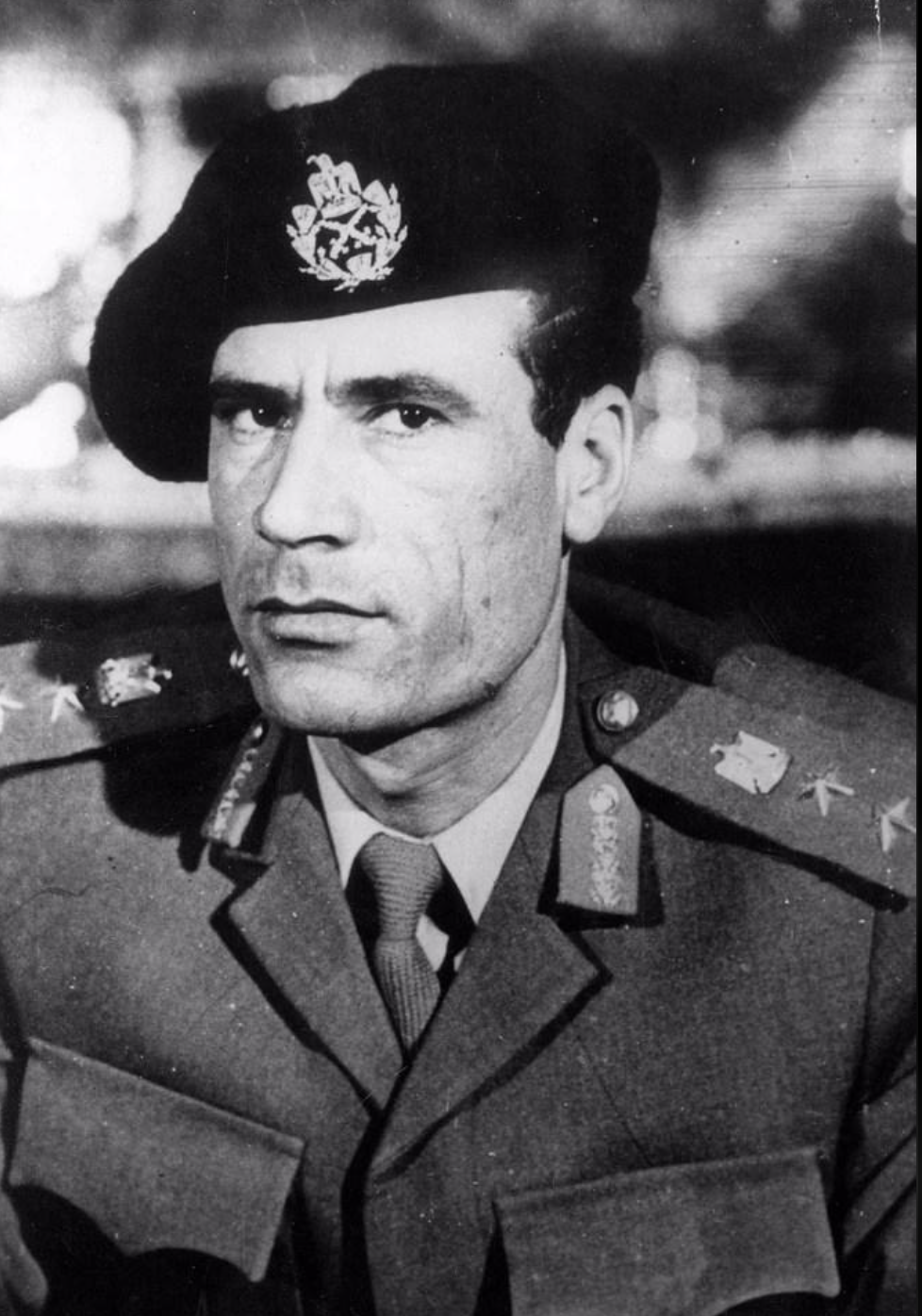
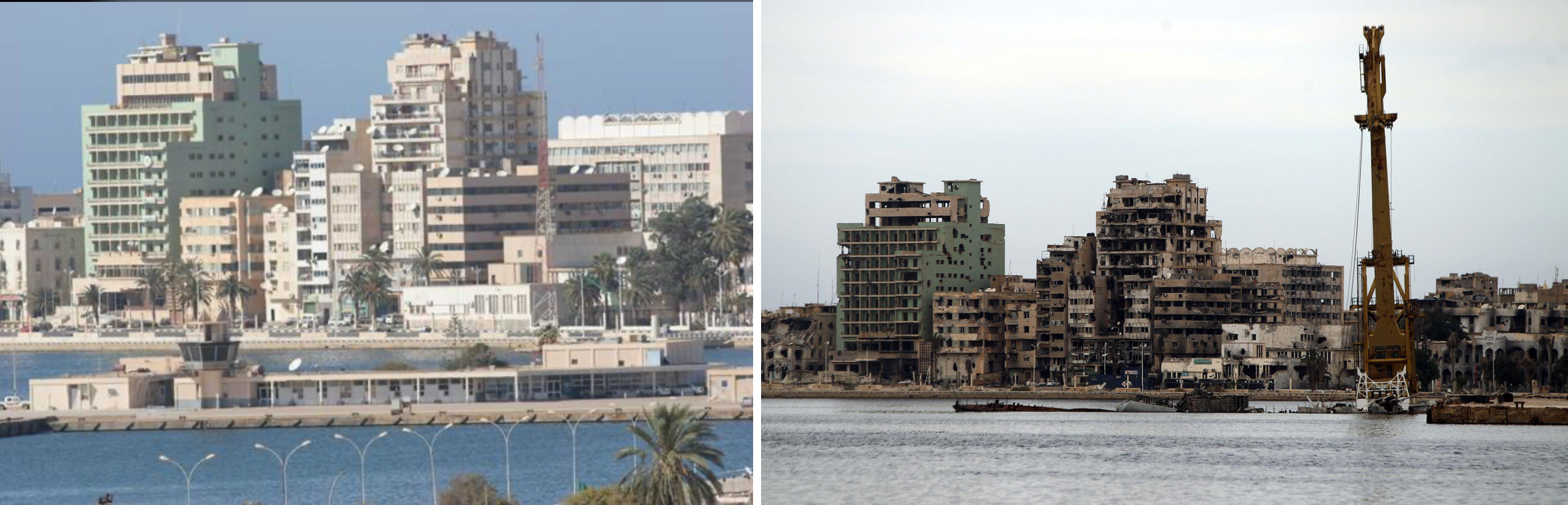
Barack Obama, a son of African soil born in the diaspora, remains one of my deepest political disappointments. One would have thought that a man whose ancestral roots are firmly planted in Africa would have thought twice, perhaps a thousand times, before authorising American participation in NATO's military intervention against Muammar Gaddafi in 2011. Libya was, at the time, one of Africa's wealthiest countries in terms of GDP per capita, with relatively high living standards. Yet the intervention contributed to the collapse of the Libyan state and the chaos that followed. I struggle to find words adequate enough to express the pain I feel when I reflect on that decision. It is a wound that runs deeper than political disagreement. It is the anguish of watching a son of Africa participate in the destruction of an African nation.
What troubles me even more is the historical pattern this represents. Imperialism does not always arrive wearing a foreign face. Sometimes it advances its interests through the very people whose ancestry is rooted in the lands it seeks to dominate. Obama's presidency demonstrated to me that African ancestry does not necessarily translate into African consciousness, solidarity or loyalty to the continent. The machinery of Western imperialism is sophisticated enough to make instruments of those we might instinctively regard as our own. And perhaps that is the most painful betrayal of all: when the hand that participates in our destruction is a hand we had hoped would defend us. Having one of our own in a position of power does not necessarily mean that African interests are being protected. Representation without political consciousness is not liberation.
BLACK SOUTH AFRICANS
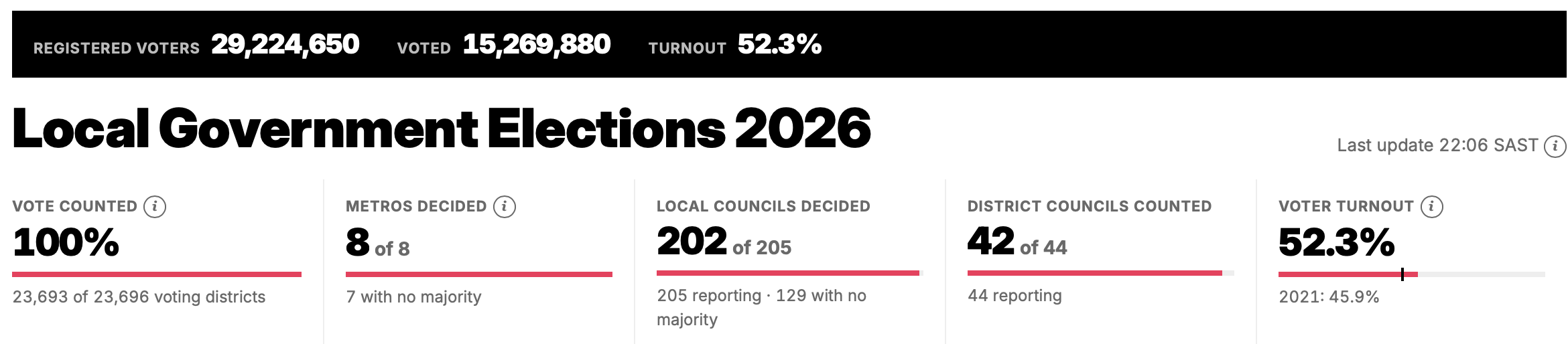
This brings me to South Africa and the recent elections. I cannot help drawing a parallel between Obama's decision and the political choices made by Black South Africans who either abstained from voting or voted for the Democratic Alliance (DA) to punish the African National Congress (ANC). Let me be unequivocal: the ANC deserves to be punished for its incompetence, failures of governance and betrayal of the aspirations of millions of Black South Africans. But punishment must be strategic. Abstaining from voting is not necessarily an act of political resistance; it can become an abdication of political power. What troubles me equally is a section of the Black middle class who, simply because they now reside in affluent suburbs, appear to have mistaken proximity to whiteness for progress. For some, assimilation into historically white spaces and institutions has become more attractive than confronting the enduring structures of economic inequality. But living in the suburbs does not erase our history of dispossession, nor does economic mobility automatically dismantle the structures of inequality. Assimilation is not liberation, and proximity to privilege is not the same as possessing power. My disappointment is profound, not because I believe Black South Africans owe the ANC eternal loyalty, but because rejecting the ANC should never mean abandoning the broader struggle for economic emancipation.
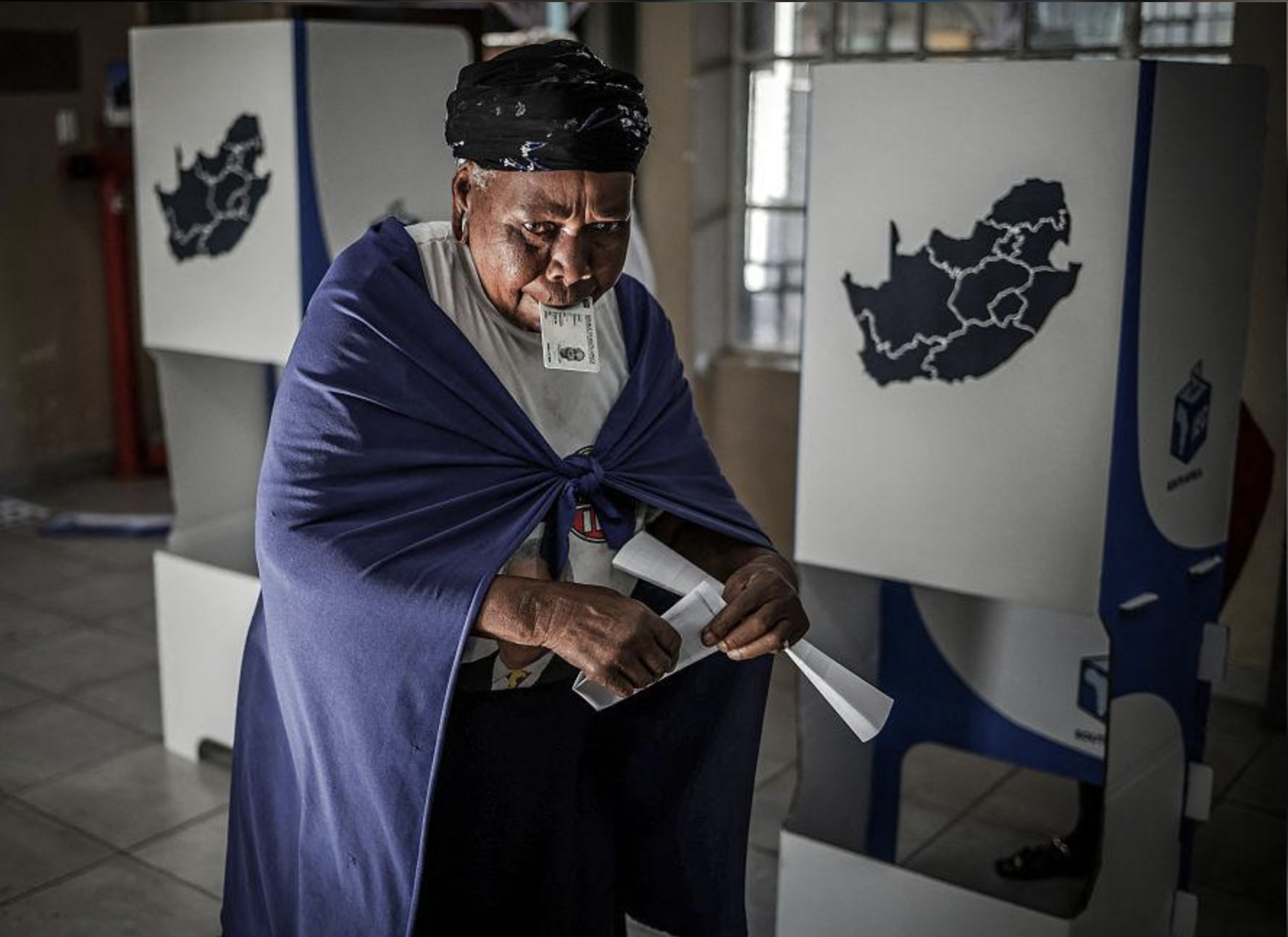
And let us not underestimate the gravity of what is at stake. Had this been a national election, the consequences could have extended far beyond municipal governance. My deepest fear is that we could find ourselves handing political power back to the very interests associated with our historical oppression. We know what colonialism and apartheid meant for Black Africans: a system that treated us as subhuman rather than as human beings entitled to dignity, equality and freedom. That history is not some distant abstraction; its economic and social consequences remain with us. We cannot afford to confuse punishing a political party with advancing the liberation of our people. The ANC is not synonymous with Black liberation, and removing those who have failed us does not guarantee that those who replace them will serve us better.
Political Literacy 101
By this, I simply mean understanding politics before making political decisions. The term 101 refers to the basics, the introductory lessons that everyone should understand. Think of it this way: if you are unhappy with your school principal, you do not automatically support anyone who promises to replace them. You first ask of the proposed replacement: Who is this person? What do they stand for? What changes are they promising? Will those changes benefit the learners, or will they simply replace one set of problems with another? The same principle applies to politics. Before casting your vote, understand South Africa's history, the ideologies of political parties, their policies, their track records and whose economic interests they serve. Political literacy requires us to look beyond campaign slogans, personalities and political frustration. It demands that we examine not only what political parties promise, but also the consequences of the power we entrust to them. Each voter should understand what their vote means.
Ultimately, my argument is not that the ANC must be protected from accountability, nor that Black South Africans should remain politically loyal to any party indefinitely. My argument is that political frustration must never replace political consciousness. We must be capable of holding those in power accountable without losing sight of the broader struggle for dignity, equality and economic emancipation. Political Literacy means knowing not only whom you are voting against, but also whom you are voting for, what they stand for, whose interests they represent and what their leadership could mean for future generations. A vote is not merely a protest against yesterday's failures; it is a decision about who will hold tomorrow's power.